Box Trucks for Sale in Ohio
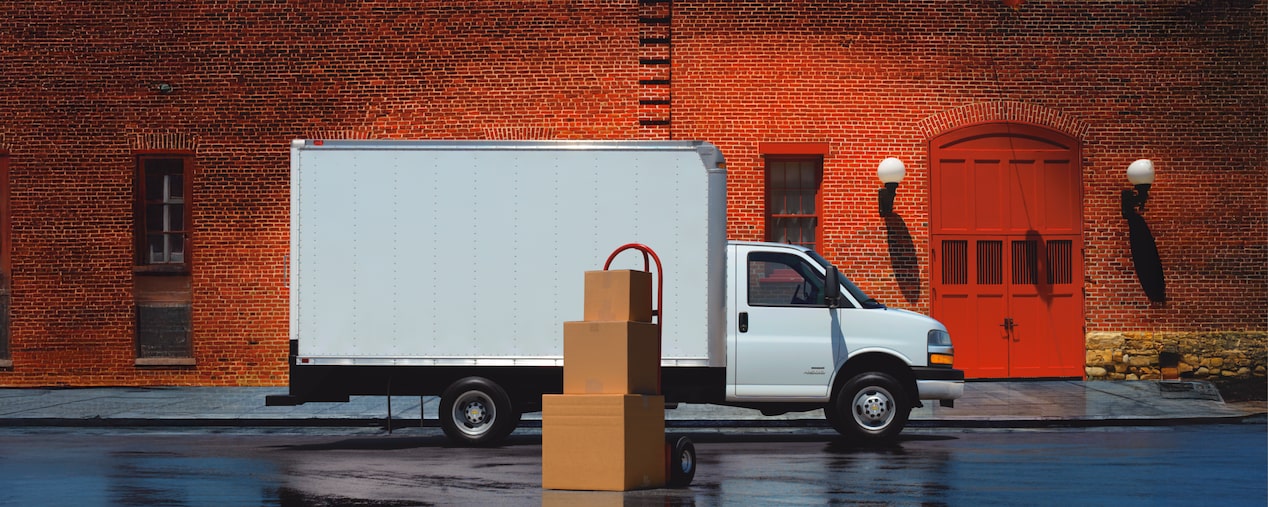
If your business depends on deliveries, service calls, equipment, inventory, or daily routes, a box truck can make the work a lot easier. At Preston Superstore, we carry commercial box trucks for businesses across Northeast Ohio, including new and used options that are ready for real use.
Browse our available commercial inventory, or reach out to our team if you are looking for a specific body length, chassis, liftgate, or upfit. Box truck inventory changes often, so if the exact setup is not here today, it may still be something we can help you locate.
Shop Box Trucks at Preston Superstore
A box truck is not the kind of vehicle most people buy on impulse. You usually have a job in mind before you start shopping.
Maybe you are replacing an older delivery truck that has been down one too many times. Maybe your business is growing and one van is no longer enough. Maybe you are bringing delivery in-house instead of relying on a third party. Whatever the reason, the truck has to fit the work from the beginning.
At Preston Superstore, our commercial team helps business buyers compare size, payload, body style, liftgate needs, financing, and service support before they buy. We serve commercial customers throughout Northeast Ohio and across the state, with options for small businesses, contractors, delivery companies, retail stores, fleet operators, and growing local teams.
Start with our commercial vehicle inventory, then talk with us about how the truck will be used.
What Is a Box Truck?
A box truck is a commercial vehicle with an enclosed cargo box mounted behind the cab. You may also hear it called a cube van, straight truck, or moving truck. Unlike a pickup, the cargo area is fully enclosed. Unlike a semi, the cab and cargo body are part of one vehicle.
That setup is the reason box trucks are so useful. They give you protected cargo space without moving into a tractor-trailer operation. For many businesses, that is the sweet spot.
Box trucks are commonly used for furniture delivery, appliance delivery, moving services, catering, wholesale distribution, parts delivery, retail deliveries, event work, mobile service businesses, and trade contractors who need more covered storage than a pickup or cargo van can offer.
If your business regularly moves products, tools, equipment, or supplies, a box truck is probably worth comparing.
Choosing the Right Box Length
Body length is one of the first things to figure out. Bigger is not always better. A truck that is too small can force extra trips, but a truck that is too large can be harder to park, more expensive to fuel, and more than your drivers need every day.
Smaller box trucks, often around 10 to 14 feet, work well for local delivery routes, florists, caterers, mobile services, small parts delivery, and contractors carrying tools or lighter materials. They are easier to drive in towns, neighborhoods, and tight lots.
A 16- to 18-foot box truck gives you more room without feeling like a full moving truck. This size is popular with appliance stores, furniture retailers, contractors, and regional delivery businesses that need useful cargo space but still want manageable driving.
Larger 20- to 24-foot trucks make sense when you are moving more volume, handling palletized freight, running bigger delivery routes, or carrying furniture and equipment. Once you get into this range, it becomes more important to think about driver comfort, route type, loading method, and weight.
A 26-foot box truck is often used by moving companies, freight operations, and businesses that need the most enclosed cargo space they can get without stepping into a semi setup. Before buying one, make sure the size works for your routes, parking areas, loading docks, and licensing needs.
The right length comes down to what you carry most often, not the largest load you might carry once in a while.
Pay Attention to GVWR and Payload
Cargo space is only part of the decision. Weight matters just as much.
GVWR stands for Gross Vehicle Weight Rating. It tells you the maximum weight the truck is designed to handle, including the vehicle itself, cargo, fuel, passengers, and equipment. Payload is the amount of weight the truck can actually carry after the weight of the vehicle is accounted for.
That difference matters. A box truck may have plenty of room inside but still run out of payload if you are hauling heavy products, equipment, appliances, tools, or palletized freight.
It is also important to think about licensing and business use. Many box trucks are built to stay under certain weight thresholds, but the exact requirement can depend on GVWR, combined weight, towing, cargo type, and how the vehicle is used. If you are close to a CDL threshold or running a commercial route, verify the requirements before you buy.
Our commercial team can help you compare the numbers on the specific truck you are considering so you are not guessing from a general model description.
Think About How You Load the Truck
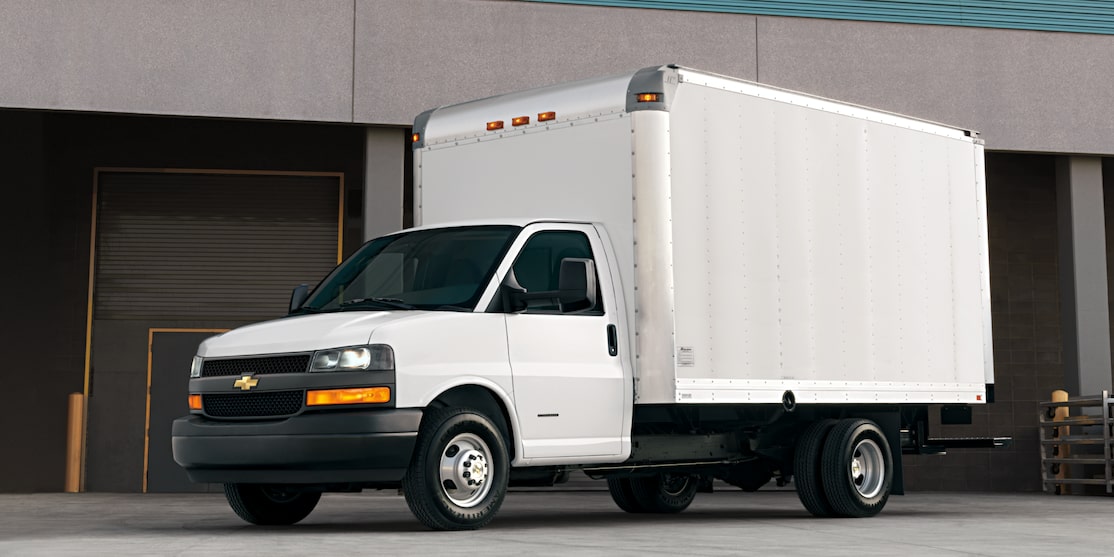
Loading and unloading can make or break a box truck purchase. A truck may be the right size on paper, but if your team struggles to get items in and out all day, it is not the right setup.
A liftgate is one of the biggest features to consider. If you deliver appliances, furniture, equipment, vending machines, heavy parts, or anything else that cannot easily be lifted by hand, a liftgate can save time and reduce strain on your crew.
Rear door style matters too. Roll-up doors are helpful when space is tight because they do not swing out behind the truck. Swing doors can give you a wider opening and may be easier for certain types of freight. Neither is automatically better. It depends on where you load, where you deliver, and what you carry.
Some businesses also need a side door for faster access during routes. Interior lighting, E-track, tie-down points, shelving, flooring material, and cargo partitions can all make the truck easier to use once it is in service.
Before you buy, picture a normal delivery day. Where does the truck park? Who loads it? How heavy is the cargo? Does your team use a dock, hand truck, pallet jack, or liftgate? Those answers will point you toward the right setup.
New vs. Used Box Trucks
A new box truck gives you the latest chassis, fresh warranty coverage, and the ability to choose a configuration that fits your business from the start. If uptime is critical or you are building a fleet around consistent specs, buying new may be the better long-term move.
A used box truck can make a lot of sense if you are watching the budget, adding a backup vehicle, starting a new route, or buying your first commercial truck. The key is condition. Mileage matters, but so do service history, body condition, liftgate operation, tire wear, brake life, rust, and how the truck was used before.
Used commercial vehicles live harder lives than personal vehicles. That does not mean you should avoid them. It just means you should inspect them carefully and buy from a place that will help you understand what you are looking at.
You can compare both new and used commercial options through our commercial inventory.
Common Box Truck Uses
Box trucks show up in all kinds of businesses because they solve a simple problem: they give you enclosed, usable space on wheels.
Retail stores use them for furniture, mattresses, appliances, and local delivery. Moving companies use them for residential and small business moves. Contractors use them when they need dry, secure storage for tools, parts, and equipment. Food and beverage businesses may need insulated or refrigerated bodies. Event companies use them for tents, tables, displays, catering supplies, and setup materials.
Delivery businesses often look at box trucks because they can carry more than a cargo van while still being easier to manage than a larger freight setup. For companies running daily routes around Cleveland, Akron, Youngstown, Erie, Geauga County, and the surrounding region, the right box truck can become one of the most important pieces of equipment in the business.
Upfits and Customization
Most box trucks need at least some thought beyond the chassis and cargo body.
You may need a liftgate, shelving, refrigeration, interior lighting, tie-down systems, ladder racks, exterior storage, a backup camera system, or vinyl graphics for your business. Some upfits are simple. Others affect lead time, payload, cost, and which truck you should buy in the first place.
That is why it helps to talk about upfits early. If you know the truck needs refrigeration, a specific liftgate, shelving, or branding, bring that up before choosing the vehicle. It is much easier to plan the right build from the beginning than to force the wrong truck to work later.
Our commercial team can help you think through upfit needs and connect you with available solutions.
Ford and Chevy Box Truck Options
Preston Superstore gives business buyers access to commercial options from Ford and Chevrolet, along with used commercial vehicles from other manufacturers depending on availability.
Ford platforms such as the F-450, F-550, and Transit cutaway can support different box body configurations. Chevrolet options such as Silverado and Express cutaway platforms are also commonly used for straight-truck and box-truck applications.
The best choice depends on the size of the body, expected payload, route type, driver preference, available equipment, and budget. Some buyers are loyal to one brand. Others simply want the truck that fits the job best. We can help you compare both ways.
You can also learn more about our local commercial truck options through our commercial trucks in Geauga County page.
Financing a Box Truck
A box truck is a business investment, so the financing has to make sense for your cash flow.
Our finance department works with commercial buyers and can help you compare financing options for one truck or multiple vehicles. Depending on your business, credit profile, down payment, and vehicle choice, there may be different ways to structure the purchase.
If you are considering tax planning, depreciation, or deductions, it is smart to speak with your accountant before making a final decision. Your business structure and timing can matter.
Starting the finance process early can also help you move faster when the right truck becomes available.
Service After the Sale
Downtime costs money. When a box truck is out of service, deliveries get delayed, crews have to adjust, and customers may be waiting.
That is why service support should be part of the buying decision. Routine maintenance, inspections, brakes, tires, batteries, lights, liftgate checks, fluid service, and repairs all help keep the truck earning for your business.
Our service department can help with commercial vehicle maintenance and repair needs after the sale. If you operate more than one vehicle, ask about maintenance planning so your fleet stays on schedule.
Why Buy a Box Truck from Preston Superstore?
Preston Superstore serves Ohio families and businesses from our location in Burton, and our commercial department is built for buyers who need more than a basic vehicle search.
We understand that commercial customers are usually trying to solve a business problem. You need the right size, the right capability, the right payment, and the right support after the sale. You may also need the truck quickly, especially if another vehicle is down or a new route is starting.
Our team can help you compare available box trucks, review specs, talk through upfits, look at financing, and plan for service after purchase.
If you are ready to shop, browse the inventory on this page or contact Preston Superstore to talk with our commercial team.
Frequently Asked Questions
What box trucks do you currently have for sale in Ohio?
Our inventory changes regularly. Use the inventory tool on this page or browse our commercial inventory to see current box trucks for sale at Preston Superstore. If you do not see the setup you need, our commercial team can help you look for a specific configuration.
Do I need a CDL to drive a box truck in Ohio?
It depends on the truck’s GVWR, combined weight, how the vehicle is used, and whether it is towing or carrying regulated cargo. Many box trucks are configured below common CDL thresholds, but you should verify requirements before buying.
What size box truck should I buy?
Smaller 10- to 14-foot trucks work well for lighter local routes. A 16- to 18-foot truck is a common middle ground for delivery and contractor use. Larger 20- to 26-foot trucks are better for moving, freight, furniture, appliances, and higher-volume routes.
Should I buy a new or used box truck?
Buy new if you want the latest equipment, warranty coverage, and a more specific configuration. Consider used if you want to control cost or add capacity without buying brand-new. Either way, condition and fit matter most.
Can Preston Superstore help with box truck upfits?
Yes. Our commercial team can talk through upfits such as liftgates, shelving, refrigeration, E-track, lighting, storage, and vehicle graphics.
Does Preston Superstore finance commercial box trucks?
Yes. Our finance team works with commercial buyers and can help you compare financing options for business vehicle purchases.
Does Preston Superstore service box trucks after the sale?
Yes. Our service department can help with maintenance and repair needs so your commercial vehicle stays ready for work.